Your cart is empty
Looks like you haven't added anything to your cart yet




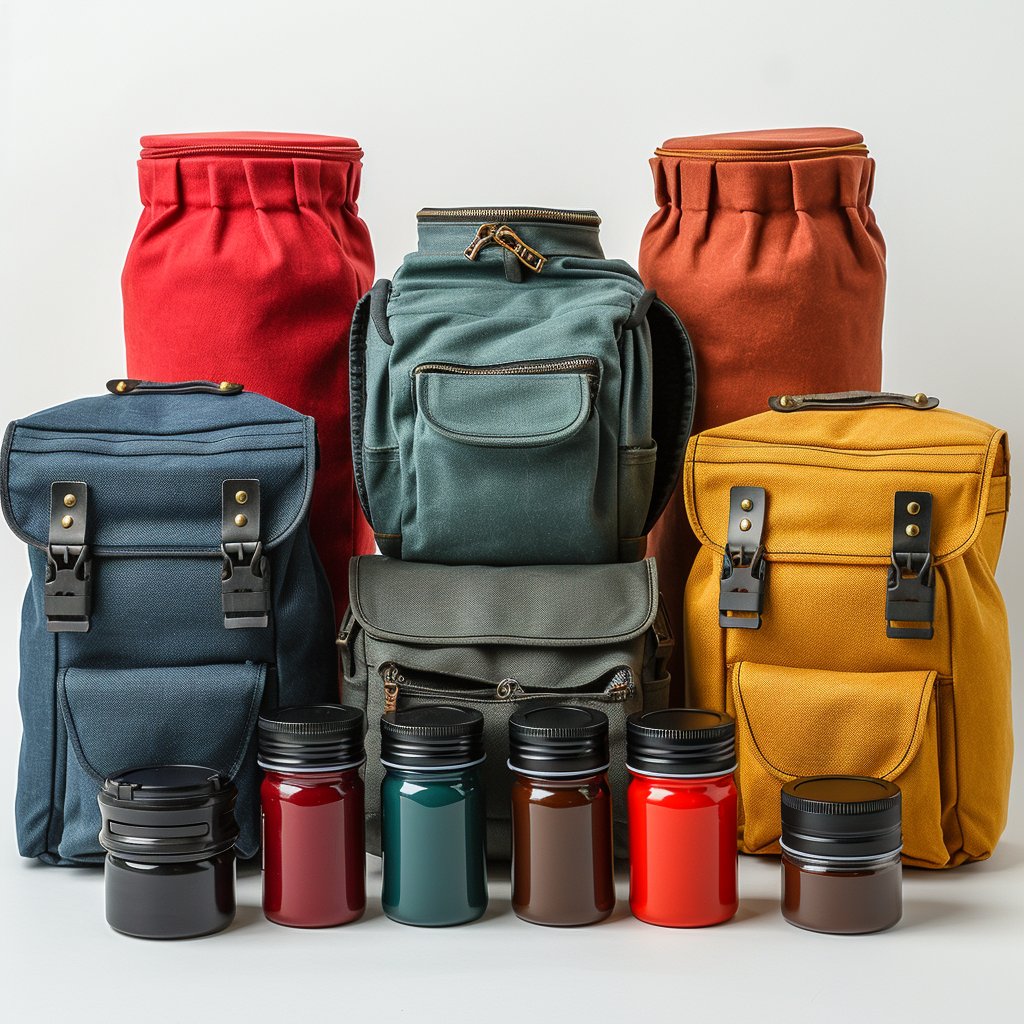




County Department Storefront Implementation Example
A county department storefront implementation example is most useful when it starts with a real operational problem: staff need approved branded items, but they should not have to search through outdated logo files, request quotes for routine purchases, or guess which apparel and displays meet department standards. A dedicated online storefront gives teams a faster, more consistent path from approved product selection to checkout.
For county departments, branded merchandise is not just promotional. It supports public-facing programs, field operations, hiring events, outreach campaigns, employee recognition, emergency preparedness, and community trust. The right storefront structure helps every order look official, whether it is one embroidered polo for a new employee or a full event setup with a custom canopy, table cover, flags, and giveaway items.
What a County Department Storefront Should Solve
A department-specific ordering portal should reduce the friction that comes with recurring custom purchases. The goal is not to place every possible item in one crowded catalog. The goal is to give authorized buyers a focused selection of products that are ready for their department's approved logo, colors, and messaging.
That distinction matters. A parks team may need high-visibility tents, staff shirts, water bottles, and event banners. An aging services program may need tote bags, table covers, brochures displayed beside fabric backdrops, and practical giveaways for resource fairs. Emergency medical services may prioritize uniform pieces, recognition awards, vehicle-related accessories, and durable outreach displays. Their needs overlap, but their approved artwork and ordering priorities are different.
A well-built storefront answers a few basic questions before a buyer has to ask them: Which products are approved? Which logo version belongs on this item? What colors are available? Is this product appropriate for a public event, staff use, or recognition program? Can the department order a small replacement quantity or a larger campaign run?
County Department Storefront Implementation Example
Consider a county organization with several public-facing departments that frequently order branded materials. Before implementation, each team sends artwork by email, requests individual pricing, and uses different suppliers depending on who is planning the event. The result is predictable: inconsistent logo placement, duplicate setup work, slower approvals, and a collection of displays that do not look like they belong to the same organization.
The implementation begins by creating separate storefront collections for departments such as Parks and Recreation, Child Support Services, Aging and Independence Services, and Emergency Medical Services. Each collection uses the department's approved artwork and limits choices to products that fit its actual needs. Buyers still get useful options, but they are selecting from a controlled, production-ready assortment rather than starting from a blank custom order form.
For example, a Parks and Recreation storefront might feature embroidered polos, performance shirts, hats, drawstring bags, reusable water bottles, retractable banner stands, fitted table covers, and custom pop-up tents. The products are selected because they support recreation programs, outdoor events, volunteer activities, and public registration tables.
The Aging and Independence Services collection may put more emphasis on branded tote bags, resource-fair tablecloths, lightweight banner displays, comfortable staff apparel, and useful take-home promotional items. A buyer preparing for a senior resource event can order a coordinated presentation without rebuilding the order from scratch.
Emergency Medical Services may need a different mix: durable working wardrobe options, employee recognition awards, event signage, branded license-plate frames, and outreach materials for safety campaigns. The department storefront keeps those items visible and easy to reorder while helping preserve the professional appearance expected of a public safety team.
2mepromo's County of San Diego departmental storefront structure reflects this model: department-specific access paired with customizable products that are ready for recurring agency use.
Build the Catalog Around Real Purchase Scenarios
The strongest county storefronts are organized around what teams actually do, not around how a supplier categorizes inventory. “Apparel,” “displays,” and “giveaways” are useful top-level categories, but departments often shop with a task in mind. They are preparing for a health fair, onboarding seasonal staff, recognizing an employee, opening a community booth, or replacing a worn table cover.
That is why collection planning should include common purchase scenarios. A public-event section can bring together tents, flags, tablecloths, backdrops, and branded giveaway items. A staff apparel section can group polos, jackets, hats, and embroidery-ready workwear. A recognition section can feature awards and presentation items. This makes the storefront easier to use without overwhelming buyers with unrelated products.
Product pages should also make the buying decision clear. Show color choices, size ranges, decoration locations, estimated production expectations, quantity pricing, and whether the item is best suited for indoor use, outdoor use, staff wear, or event distribution. A product description should help a coordinator confidently choose a 10-foot canopy for a weekend festival or a fitted table cover for an indoor information table.
Control Brand Standards Without Slowing Teams Down
Departmental ordering works best when control happens before checkout. Approved logos, imprint positions, thread colors, and decoration methods should be set during storefront setup. That reduces the chance that a buyer uploads an old logo or orders a shirt color that conflicts with county identity standards.
However, too much control can create a different problem. If every size, color, or quantity change requires manual approval, the storefront becomes another administrative bottleneck. The practical balance is to lock the elements that protect the brand while allowing reasonable ordering flexibility. Staff should be able to choose sizes, quantities, and approved garment colors. They should not have to make design decisions that were already settled by communications or procurement.
This approach is especially valuable for repeat orders. A department administrator replacing five polos should not need the same proofing cycle as a new campaign that introduces a new message, event logo, or display design. New artwork and exceptions can follow a review path, while standard items remain ready to order.
Plan for Procurement and Budget Reality
County buyers often need more than an attractive catalog. They need clear pricing, documented order details, predictable production, and a process that works with department budgets. Wholesale-oriented quantity pricing matters because a 25-piece staff order and a 500-piece outreach giveaway order have different economics.
It also helps to separate evergreen items from campaign-specific products. Evergreen items include uniforms, standard table covers, department banners, and reusable event displays. These are worth setting up for recurring purchase because the artwork rarely changes. Campaign items, such as a seasonal health initiative or a one-time community celebration, may require a shorter approval window and more limited ordering period.
Free-shipping incentives can be valuable, but they should not drive the product decision by themselves. A lower-cost item that wears out after one event may create more expense than a durable banner stand or quality embroidered garment that can be used for years. The right choice depends on frequency of use, storage conditions, public visibility, and the number of staff members who need the item.
Measure Whether the Storefront Is Working
A storefront implementation should improve more than appearance. County teams can track whether buyers are placing repeat orders faster, whether fewer orders require artwork corrections, and whether departments are using approved branded materials at public events.
Look at the products that are reordered most often. If table covers and polos are moving consistently, keep those front and center. If a product receives few orders because it is too expensive, difficult to store, or not suited to field conditions, replace it with a more practical option. Storefronts should evolve with department programs, not sit unchanged after launch.
A useful review also includes the people doing the ordering. Ask administrators and event coordinators where they hesitate, what they cannot find, and which products make their jobs easier. Their answers often reveal whether the issue is catalog organization, available sizes, decoration options, or a missing product category.
Start With One Department, Then Expand
A countywide rollout does not have to begin with every department and every product. Starting with a department that has repeat ordering needs creates a manageable test. Build the approved catalog, confirm artwork standards, review the order flow, and watch how staff use it during an actual event cycle.
Once the structure is working, other departments can be added with their own branded collections and product priorities. The shared storefront framework keeps administration efficient, while department-specific assortments keep purchasing relevant. The result is a more polished public presence and a purchasing process that helps teams spend less time chasing artwork and more time serving the community.
The best next step is simple: identify the items your department orders repeatedly, approve the artwork once, and turn those routine purchases into a ready-to-shop collection.
- Choosing a selection results in a full page refresh.
