Your cart is empty
Looks like you haven't added anything to your cart yet









Custom Signage for Small Business Branding: A 2026 Guide
Table of Contents
- Why Professional Marketing Signs Matter for Your Brand
- Impact of Signage on Brand Identity and Recognition
- Types of Custom Storefront Signage Solutions
- Benefits of Professional Business Signs for Small Businesses
- ADA Compliance for Business Signage Requirements
- Designing Custom Signage That Reflects Your Brand
- Installation, Maintenance, and Long-Term Durability
- Measuring Signage ROI and Conversion Impact
Why Professional Marketing Signs Matter for Your Brand
A storefront without professional signage is invisible. Foot traffic passes by, potential customers don't know what you sell, and your competition captures the sale. Professional marketing signs solve this problem directly: they communicate your business identity, build brand recognition, and drive customers through your door.
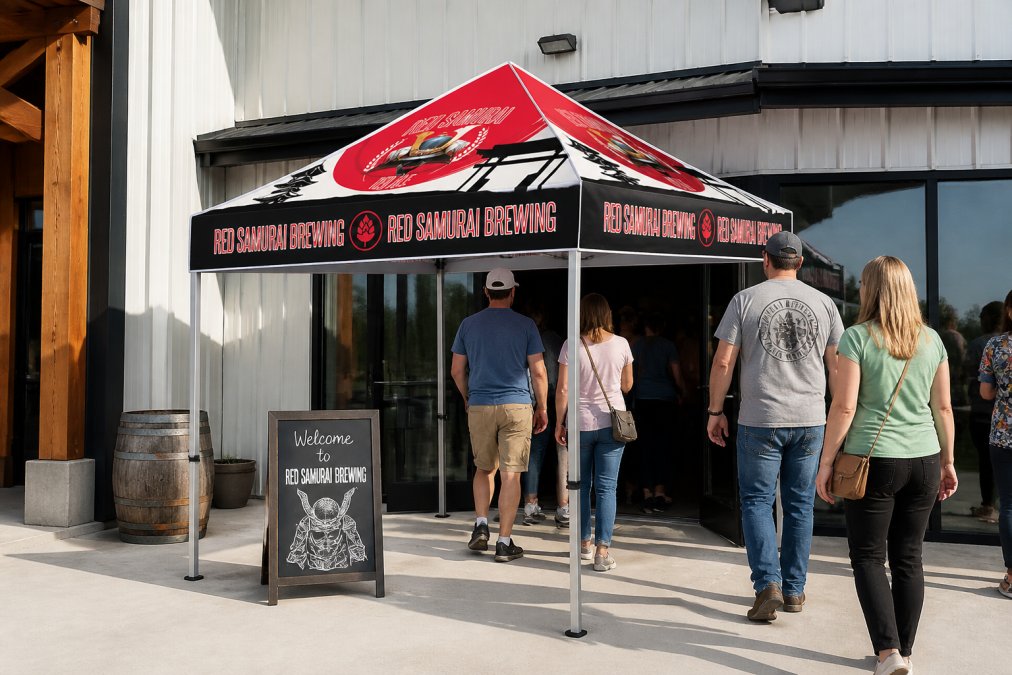
A professionally designed sign signals that your business is legitimate, established, and worth trusting. Custom signage is foundational infrastructure that works 24/7, requires no salary, and compounds in value over time as brand recognition builds. At 2mepromo.com, we offer professional signage solutions designed to enhance brand identity and recognize excellence.
Pro Tip
Your storefront sign is your single most visible marketing asset. A professional appearance here pays dividends across every customer interaction that follows.
Impact of Signage on Brand Identity and Recognition
Brand identity lives in details. Your logo, colors, typography, and messaging must appear consistently across every touchpoint, and your physical signage is the most public of all. When a customer sees your brand on a sign, in your store, and later on your website, the repetition builds mental associations that drive loyalty.
Professional signage reinforces brand identity in ways digital marketing cannot. A well-designed sign with proper color matching, quality materials, and professional installation says: "This business cares about details." The connection between visual communication and purchasing behavior is direct, customers are more likely to enter a store with professional, well-maintained signage than one with faded or poorly designed signs.
Types of Custom Storefront Signage Solutions
Custom signage for small business comes in several categories, each suited to different business types and locations.
Dimensional Lettering and Logo Signs create a three-dimensional presence on your storefront. These acrylic, metal, or composite letters project from the wall, catching light and attention, and work especially well for professional services where they convey permanence and credibility.
Vinyl Banners and Wraps offer flexibility and rapid deployment. Vinyl is durable, weather-resistant, and affordable compared to permanent signage, making it ideal for seasonal promotions or temporary campaigns.
Monument and Ground Signs sit at ground level, often at the entrance to a property or parking lot. These permanent installations are ideal for businesses in shopping centers or office parks where storefront visibility is limited.
A-Frame and Sidewalk Signs are portable, lightweight options perfect for retail locations with heavy foot traffic. The Foundation A-Frame Outdoor Banner Stand from 2mepromo.com uses lightweight aluminum construction with either scrim vinyl banners or full fabric wraps, suitable for both indoor and outdoor events.

Key Takeaway
The best signage type depends on your location, budget, and permanence goals. A retail storefront benefits from dimensional lettering; a trade show booth needs a portable banner stand; a seasonal promotion works best with vinyl banners.
Indoor vs. Outdoor Signage Options
Outdoor signage must withstand weather, UV exposure, temperature fluctuations, and moisture. This requires durable materials: powder-coated aluminum, UV-resistant vinyl, polycarbonate, or composite materials. Properly maintained outdoor signage lasts 5-10 years or more (the FDA).
Indoor signage faces different challenges: lighting conditions vary, foot traffic is concentrated, and environmental stress is minimal. Indoor wayfinding signs and interior branding can use less heavy-duty materials like foam board, vinyl, or acrylic. Match your material choice to the actual environment, an outdoor vinyl banner exposed to direct sunlight will fade within months if the vinyl isn't UV-protected.
For businesses with both indoor and outdoor presence, a layered approach works well: permanent outdoor signage for your storefront, flexible indoor signage for promotions and wayfinding, and portable solutions like the Signicade Deluxe A-Frame for events and temporary campaigns.
Materials and Durability Considerations
Material choice determines how long your signage lasts and how well it performs in your specific environment.
Aluminum is lightweight, corrosion-resistant, and ideal for outdoor applications. Powder-coated aluminum resists rust and UV fading better than raw metal, offering excellent durability for permanent installations.
Vinyl is flexible, weather-resistant, and available in unlimited colors and finishes. UV-protected vinyl lasts 5-7 years outdoors before fading becomes noticeable. The Foundation A-Frame from 2mepromo.com uses UV-printed scrim vinyl with reinforced stitching, designed for outdoor durability.
Coroplast (corrugated plastic) is lightweight, affordable, and suitable for short-term outdoor use. The Yard Sign pack from 2mepromo.com uses 4mm UV-cured coroplast with galvanized steel H-stakes.
Acrylic offers clarity and professional appearance, suitable for logos, lettering, and dimensional signage. Acrylic is durable and UV-resistant, working well for indoor applications and protected outdoor installations.
Fabric is increasingly popular for large-format signage. Weather-resistant polyester fabric can be printed with full-color graphics and withstands outdoor conditions. The Custom Tent Canopy from 2mepromo.com features weather-resistant polyester with full-color dye-sublimation printing on all four peaks and valance panels, offering 360-degree branding.
Most small businesses benefit from professional guidance on material selection. 2mepromo.com's team can assess your environment and recommend the right choice.
Benefits of Professional Business Signs for Small Businesses
Professional signage delivers benefits across multiple business functions. Increased foot traffic is the most direct benefit, a professional, well-designed sign attracts customer attention and communicates that your business is open and legitimate.
Brand consistency across physical and digital channels reinforces brand identity. When your sign uses the same logo, colors, and typography as your website and social media, customers recognize and remember your brand more easily.
24/7 marketing is a benefit many business owners overlook. Your sign works constantly, reaching potential customers whether your business is open or closed. Unlike paid advertising that stops when you stop paying, a sign continues to build brand awareness indefinitely.
Professional credibility is communicated instantly through quality signage. A customer's first impression of your business is often your sign, and professional appearance signals that you care about quality and attention to detail.
Cost-effectiveness over time makes signage a smart investment. A professional sign reaches thousands of potential customers over 5-10 years, with minimal cost per impression compared to digital advertising.
ADA Compliance for Business Signage Requirements
Accessible signage isn't optional, it's required by law for most businesses. The Americans with Disabilities Act (ADA) establishes specific standards for business signage to ensure people with disabilities can access your business (ada.gov).
ADA signage requirements include braille characters for permanent identification signs, tactile lettering at least 0.125 inches high, contrast between lettering and background of at least 70%, specific mounting heights (typically 48-60 inches from floor to center of sign), and non-glare finishes to prevent light reflection (ada.gov).
Not every sign requires ADA compliance. Temporary signage, decorative elements, and directional signs have fewer requirements. However, any permanent sign identifying your business, rooms, or services must meet these standards. Working with a provider who understands ADA requirements, like 2mepromo.com, ensures compliance rather than attempting DIY signage that may inadvertently violate regulations.
Watch Out
Non-compliant signage can result in ADA violations and legal liability. If your business is open to the public, your signage must meet ADA standards. Compliance is a legal requirement, not an option.
Designing Custom Signage That Reflects Your Brand
Effective signage design starts with clarity about what your sign must communicate. The primary message should be immediately obvious, most people glance at a sign for 2-3 seconds, and in that time they need to understand what your business is and what you offer. Your business name should dominate, with secondary information like tagline or phone number smaller.
Visual hierarchy guides the viewer's eye to the most important information through color, size, and positioning. Font selection matters more than many business owners realize, readable, professional fonts work better than decorative or trendy fonts that may become dated quickly. Sans-serif fonts are generally more readable at a distance than serif fonts.
Color psychology influences how your brand is perceived. Blue conveys trust and professionalism. Red attracts attention and conveys urgency. Green suggests health or environmentalism. Choose colors that align with your brand identity and ensure sufficient contrast for readability.
Artwork Preparation and File Management
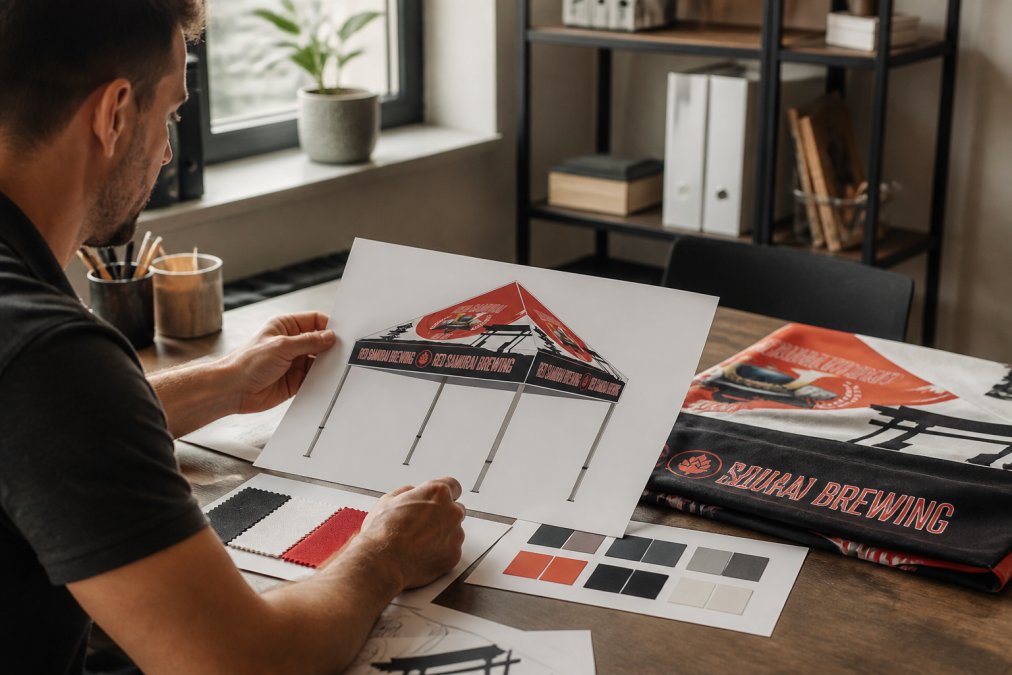
Most small business owners don't have professional design files ready for signage production. Print-ready files are essential, your designer or signage provider needs vector graphics (AI, EPS, or PDF format) rather than raster images (JPG, PNG). Vector files scale infinitely without losing quality.
File specifications matter for production: final size, color mode (RGB for digital display, CMYK for print), resolution (typically 300 DPI for print materials), bleed area, and font information. A common mistake is sending a logo from your website, which is typically a low-resolution raster image that won't work for large-format signage. 2mepromo.com's team can work with imperfect files and help prepare artwork for production.
Pro Tip
Keep your original design files organized and accessible. Store them in a shared location with your designer and anyone else who might need them. Label files clearly with version numbers and dates.
Color Matching and Brand Consistency
Color consistency across signage, apparel, and marketing materials builds brand recognition. Pantone colors are standardized colors used across the printing industry, if you specify a Pantone color to your signage provider, you get consistent results. Your brand guidelines should specify Pantone colors for signage, apparel, and print materials.
Lighting conditions affect how colors appear. A sign looks different in daylight, under fluorescent lights, and under LED lights. Professional signage design accounts for the lighting environment where the sign will be displayed. Brand consistency requires coordination across all your marketing materials, your signage should use the same colors, fonts, and logo as your website, business cards, and apparel.
Installation, Maintenance, and Long-Term Durability
Professional installation is where many signage projects fail. A beautifully designed sign installed poorly won't last and looks unprofessional.
Mounting hardware must be appropriate for your sign's weight, size, and the surface it's mounted to. Concrete, brick, and metal require different fastening systems. Weather sealing prevents water from entering behind the sign, which causes rust, corrosion, and degradation. Electrical installation for illuminated signs must meet code and requires professional installation by a licensed electrician.
Maintenance schedules extend signage life. Annual cleaning removes dirt and oxidation. Vinyl banners need inspection for tears or fading. Lighting systems need bulb replacement. Replacement timeline varies by material and environment, vinyl banners typically last 5-7 years before fading becomes noticeable, while dimensional lettering can last 10-15 years.
2mepromo.com offers high-quality, custom-made products. The upfront cost for professional installation is often higher than DIY installation, but it can lead to a sign that lasts longer, looks better, and avoids code violations.
Measuring Signage ROI and Conversion Impact
Most small business owners never measure the actual return on their signage investment. Baseline metrics before signage installation create a comparison point, track foot traffic, customer inquiries, and sales for 30 days before your new sign goes up, then measure the same metrics for 30 days after installation.
Customer surveys provide direct feedback. Ask new customers: "How did you find us?" Over time, you'll notice patterns showing how many new customers mention seeing your sign. Location-based metrics matter for multi-location businesses, if one location gets a new sign and another doesn't, compare their performance to isolate signage's impact.
Foot traffic counting is easier than ever with modern sensors. A simple counter tracks how many people pass your storefront. Online conversion tracking connects physical signage to digital behavior, a sign displaying your website URL with a unique coupon code shows exactly how many people visited because of the sign.
Signage ROI is measurable if you track the right metrics. Professional signage can increase foot traffic and customer awareness. Measure before and after installation to quantify the impact.
Professional signage is foundational to small business success. It communicates your brand identity, attracts customers, and builds recognition that compounds over time. The investment in quality custom signage pays returns through increased foot traffic, professional credibility, and long-term brand building. 2mepromo.com specializes in helping small businesses and government agencies create professional signage solutions that reflect your brand and stand the test of time. Start with a clear understanding of your signage goals, work with a provider who understands your brand, and measure the results to ensure your investment delivers measurable returns.
Frequently Asked Questions
How does custom signage impact brand perception?
Professional custom signage communicates that your business invests in quality and attention to detail. Customers form immediate impressions based on visual communication, and well-designed signage signals brand credibility and professionalism. Consistent branding across all signage, from storefront displays to event tents, reinforces brand recognition and makes your business more memorable than competitors with generic or poorly maintained signs.
What are the main benefits of professional business signs for small businesses?
Professional signage increases foot traffic by making your location visible and inviting. It establishes brand identity, builds customer trust, and provides 24/7 marketing without ongoing costs. Quality signage also differentiates your business in crowded markets, improves customer wayfinding, and creates a cohesive professional aesthetic across physical and event spaces. For small businesses, signage serves as a cost-effective long-term marketing investment that compounds over time.
What are the ADA requirements for business signage?
The Americans with Disabilities Act (ADA) requires business signage to include accessible elements for people with disabilities. Key requirements include proper contrast ratios between text and background, minimum font sizes, tactile lettering (raised characters), Braille for certain signs, and appropriate mounting heights. Signage must meet specific dimensional letter standards and contrast specifications. Working with signage providers familiar with ADA compliance ensures your custom signage meets federal standards and serves all customers effectively.
How do I choose the right materials for outdoor business signs?
Outdoor signage materials must withstand weather, UV exposure, and temperature fluctuations. Powder-coated aluminum resists rust and corrosion, while UV-protected vinyl banners and coroplast maintain color and durability. Weather-resistant polyester fabrics work well for custom tents and large-format displays. Consider your climate, expected lifespan, maintenance capacity, and budget. Professional signage providers can recommend materials based on your specific outdoor environment and recommend finishes that maximize longevity and visual impact.
This article was written using GrandRanker
- Choosing a selection results in a full page refresh.
