Your cart is empty
Looks like you haven't added anything to your cart yet







Custom Logo Embroidery: A Step-by-Step Guide
Table of Contents
- What Is Custom Logo Embroidery and Why It Matters
- Logo Embroidery File Requirements for Professional Results
- Understanding Embroidery Digitizing Services
- Best Fabrics for Custom Embroidery
- Choosing the Right Apparel for Your Logo
- Turnaround Times and Quality Control
- Care and Maintenance of Embroidered Garments
- Frequently Asked Questions
Last Updated: September 29, 2026
What Is Custom Logo Embroidery and Why It Matters
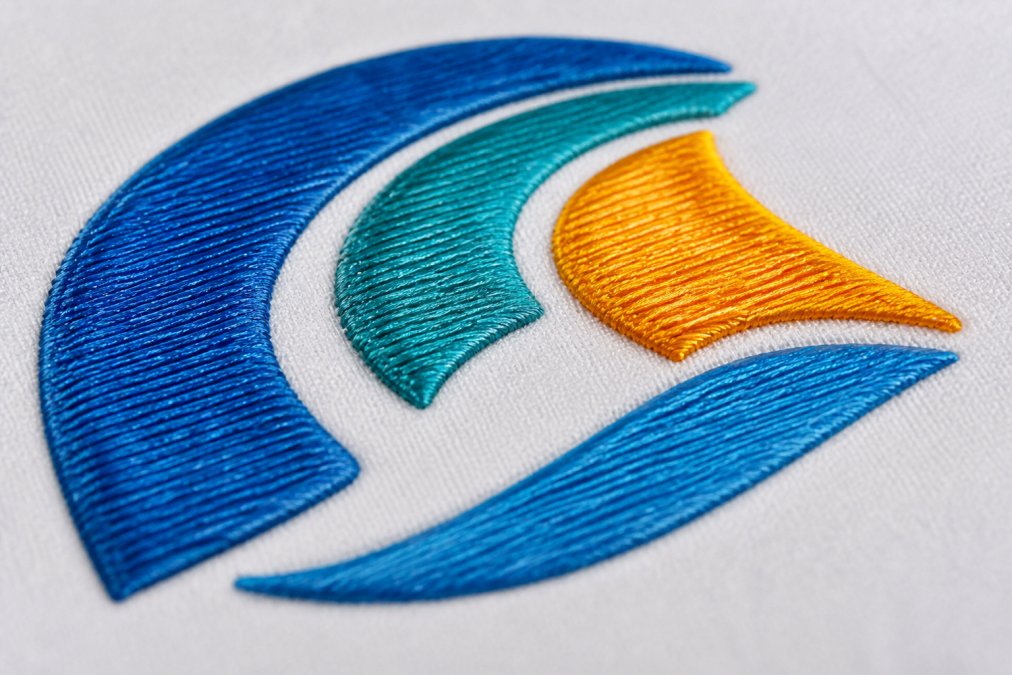
Custom logo embroidery is the process of stitching your company's logo or design directly onto apparel and promotional items using specialized embroidery machines. Unlike screen printing or heat transfer methods, embroidery creates a durable, three-dimensional design that feels substantial and professional. At 2mepromo.com, we work with government agencies and small businesses to transform their brand identity through high-quality embroidered apparel that makes a lasting impression at events, in the office, and during client interactions.
Embroidered logos communicate quality and attention to detail in ways that printed alternatives cannot match. The thread sits on top of the fabric, catching light and creating depth. This tactile quality signals that your organization invests in excellence, whether you're outfitting your team with branded uniforms or creating promotional merchandise for a trade show.
The real advantage of custom embroidery shows up over time. A well-executed embroidered logo resists fading, cracking, and peeling. Your branded apparel still looks sharp after dozens of washes, making it a smarter investment than cheaper alternatives that deteriorate quickly.

Pro Tip
Start with a high-resolution logo file. Poor file quality is the #1 reason embroidery projects fail before they even begin. A logo that looks fine on screen often contains too much detail or insufficient contrast for embroidery machines to render cleanly.
Logo Embroidery File Requirements for Professional Results
Getting your logo ready for embroidery requires more than just submitting a file. The machine needs specific technical information to stitch your design correctly. Many organizations submit files that look perfect on their website but contain too much detail, insufficient resolution, or the wrong color format for embroidery.
File Format and Resolution Standards
Embroidery machines read vector artwork, not standard image files. Vector files like .AI (Adobe Illustrator).EPS, or .PDF contain mathematical instructions that scale infinitely without losing quality. Raster files like .JPG or .PNG are built from pixels and become blurry when enlarged.
Your logo should be saved as a vector file for embroidery work. If your logo exists only as a raster image, it needs to be converted to vector format first, a process called tracing or vectorization.
The file should also include a clear separation between colors. If your logo uses gradients or photorealistic elements, the embroidery digitizer will need to simplify those into distinct color blocks.
Stitch Count and Thread Density Considerations
Every embroidered design has a stitch count, the total number of individual stitches the machine makes to complete your logo. Stitch count directly affects cost, durability, and appearance.
A logo with excessive stitch density (too many stitches packed closely together) creates several problems. The fabric becomes stiff and uncomfortable. Thread bunches up, creating visible ridges. The design may pucker or distort the garment.
Logos with fine lines or intricate details naturally require higher stitch counts.
Key Takeaway
Ask your embroidery provider for a stitch count estimate before production begins. This number directly impacts both cost and how the finished product will look and feel.
Understanding Embroidery Digitizing Services
Digitizing is the bridge between your logo file and the embroidery machine. It's where a graphic designer's artwork becomes embroidery instructions, a specialized file format that tells the machine exactly where to stitch, what color thread to use, and how to transition between colors.
What Digitizing Does and Why It Matters
A digitizer takes your logo and converts it into an embroidery file. This isn't a simple export. The digitizer makes dozens of decisions: which parts of the logo stitch first, how to minimize thread breaks, whether to use underlay stitching for stability, and how to handle color transitions.
Poor digitizing creates visible problems. Threads break mid-stitch. Colors don't align properly. Fine details disappear or distort. A well-digitized file runs smoothly, with minimal thread breaks and clean color registration.
The digitizing process also involves setting stitch parameters, the type of stitch, stitch direction, and stitch length. Different stitch types create different visual effects. A skilled digitizer selects the right combination for your specific logo.
Logo Setup and Digitizing Fees
Digitizing fees vary based on logo complexity. These are one-time fees, once your logo is digitized, you can use that file for future orders without additional charges.
Many providers, including 2mepromo.com, include digitizing in the embroidery service. You submit your logo, specify the final size and placement, and the digitizing happens as part of the production workflow. This eliminates the back-and-forth of submitting files separately and waiting for approval.
The digitizer will provide a proof, a mockup showing how your logo will appear on the garment. Review this carefully for color accuracy, stitch placement, and overall appearance. Most providers allow one or two rounds of adjustments before final production.
Best Fabrics for Custom Embroidery
Not all fabrics are created equal for embroidery. The material you choose affects how the design looks, how durable it is, and how comfortable the finished garment feels.
Women's Kruser Ridge Soft Shell Jacket →
Fabric Weight and Durability for Embroidered Apparel
Heavier fabrics support embroidery better than lightweight materials. A 6-ounce cotton or 8-ounce polyester blend provides enough structure to prevent puckering and thread show-through. Lightweight fabrics like thin jersey or mesh can distort under the tension of embroidery stitching.
Polyester and polyester blends are the industry standard for embroidered apparel. Polyester resists shrinking, holds color well, and provides a stable base for stitching. Cotton also works, though pure cotton can shrink unpredictably after washing.
Thread Selection and Color Matching
Embroidery thread comes in hundreds of colors, but matching your exact brand color requires planning.
Polyester thread is standard for most embroidery work. It resists fading, holds color through washing, and works reliably on most fabrics.
Choosing the Right Apparel for Your Logo
The garment you choose shapes how your logo is perceived. A polo shirt conveys professionalism. A hoodie feels casual and approachable. A fleece jacket signals durability and outdoor capability.
Left Chest Embroidery and Placement Options
Left chest embroidery is the most common placement for branded apparel. It's visible when someone wears the garment, creates a balanced visual appearance, and doesn't interfere with arm movement or pocket access.
Other popular placement options include:
- Back neck embroidery: Large logos visible from behind, often used for team uniforms
- Sleeve embroidery: Small logos on the upper sleeve or cuff, common for branded jackets
- Full back embroidery: Large designs covering most of the back, used for statement pieces
- Cap embroidery: Small logos on the front of hats or caps
Minimum Order Quantities and Bulk Pricing
2mepromo.com works with organizations of all sizes, from small nonprofits needing 12 branded polos to government agencies ordering hundreds of custom uniforms. Our team provides transparent pricing based on your specific order volume, design complexity, and apparel selection.
| Order Volume | Per-Item Cost Impact | Timeline |
|---|---|---|
| 12-25 pieces | Baseline cost | 7-10 business days |
| 50-100 pieces | 10-15% discount | 5-7 business days |
| 250+ pieces | 20-25% discount | 10-14 business days |
Turnaround Times and Quality Control
Production timeline depends on order complexity, volume, and current workload.
Quality control happens at multiple stages. Before production begins, a digitizing proof is reviewed for accuracy. During production, embroidery machines are monitored for thread breaks, tension issues, and color registration. After stitching completes, each piece is inspected for stitch quality, color accuracy, and overall appearance.
Communicate your deadline clearly when placing an order.
Watch Out
Submitting files the day before your deadline creates stress and often results in lower quality. Poor-quality files may require redigitizing, which delays production. Build in at least one week of buffer time for complex orders.
Care and Maintenance of Embroidered Garments
Proper care extends the life of embroidered apparel significantly. Embroidery is durable, but thread can fade or fray if garments aren't handled correctly.
Custom logo embroidery transforms standard apparel into branded ambassadors for your organization. Whether you're outfitting government agency staff with professional uniforms or creating promotional merchandise for a small business event, the quality of your embroidered items reflects directly on your brand. 2mepromo.com specializes in helping organizations like yours navigate the technical details, from file preparation through final quality inspection, so your embroidered apparel arrives ready to make an impact. The Textile Exchange sustainability standards provide guidance on responsible apparel sourcing if your organization prioritizes sustainable materials. Get started with 2mepromo.com today and discover how professional embroidery elevates your brand presence.
Frequently Asked Questions
How much does custom logo embroidery cost?
Pricing depends on logo complexity, stitch count, apparel type, and order quantity. Bulk orders qualify for discounts. For example, the Women's Kruser Ridge Soft Shell Jacket with embroidery starts at $75.00. Request a quote with your specific logo and apparel choice for accurate pricing.
What file format do I need for logo embroidery?
Vector artwork (AI, EPS, or PDF) works best for custom logo embroidery. If you only have a raster image (JPG, PNG), our embroidery digitizing services can convert it. Provide your logo in the highest quality format available, and our team will prepare it for the embroidery machine.
How does embroidery digitizing work?
Digitizing converts your logo into a machine-readable embroidery file that guides the needle and thread. The process maps stitch paths, sets thread density, and determines color sequences. Our embroidery digitizing services handle this technical work, ensuring your logo looks professional at any size. Digitizing fees typically apply as a one-time setup cost, then the file works across all orders.
What's the difference between embroidery and screen printing for logos?
Embroidery creates raised, textured designs using thread and offers superior durability and a premium appearance. Screen printing applies ink to fabric and works well for large areas and photographic detail. Embroidery is ideal for corporate uniforms and professional branding because it withstands repeated washing and maintains its look over time, making it better for long-term brand identity.
- Choosing a selection results in a full page refresh.
