Your cart is empty
Looks like you haven't added anything to your cart yet







Custom Wrapping Paper With Logo for Better Gifting
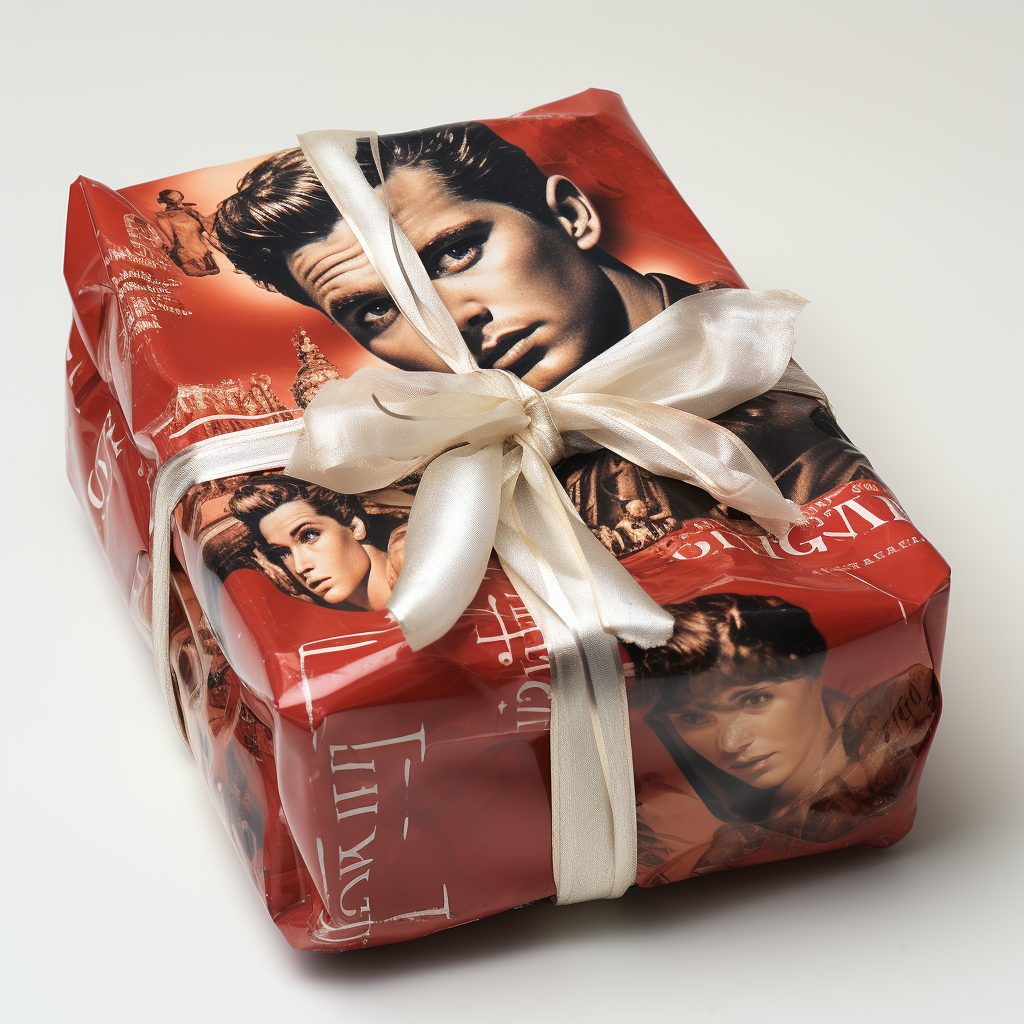
A gift can be useful, appreciated, and still miss a branding opportunity before the recipient ever sees what is inside. Custom wrapping paper with logo turns employee gifts, client thank-yous, welcome kits, recognition awards, and event giveaways into a more complete presentation. It gives your organization a consistent look from the first impression through the final reveal.
For public agencies, departments, and small businesses, branded paper is not just a seasonal accessory. It is a flexible, affordable way to make approved logos visible during the moments people are most likely to photograph, share, and remember. The best results come from treating the paper as part of your larger brand system, not as an afterthought at checkout.
Why Custom Wrapping Paper With Logo Works
Branded wrapping paper adds a finished, intentional feel to items that might otherwise look generic. A quality award, staff apparel piece, promotional tote, or customer gift carries more weight when the packaging shows who it came from. That matters for organizations working to build trust, reinforce recognition, or create a professional experience at a public event.
It also extends the value of items you already order. A single branded paper design can support several programs: holiday gifts for employees, volunteer appreciation packages, donor mailings, conference giveaways, retail purchases, and new-hire kits. Rather than creating a new visual treatment for every occasion, you can use one recognizable design across the year.
For departments that regularly distribute materials to staff or community members, this consistency is especially useful. A clear logo treatment, approved department color, and familiar visual style help recipients immediately identify the source. The paper becomes part of the presentation standards that make an organization look prepared and organized.
Start With the Job the Paper Needs to Do
Before choosing colors or repeating a logo across the layout, decide where and how the wrapping paper will be used. A polished executive gift for a partner organization calls for a different approach than paper used for hundreds of prize packages at a community event.
Employee recognition and internal gifts
Employee appreciation packages often benefit from a refined design that feels celebratory without being overly promotional. A small repeating logo, department initials, or a pattern built from approved brand elements can look more premium than one oversized mark. If the gift is tied to a service anniversary, holiday celebration, or employee award, choose colors that work well with ribbons, gift tags, and common box sizes.
Community events and public outreach
For fairs, youth programs, open houses, and outreach events, visibility may be the priority. A stronger logo presence and brighter brand colors can help packages stand out on a giveaway table or in event photography. Keep the message simple. The paper does not need to carry every program detail when a table cover, banner stand, handout, or gift tag can provide the rest.
Customer orders and retail packaging
Small businesses can use custom paper to make routine orders feel less routine. It is a practical upgrade for gift boxes, in-store purchases, product bundles, and thank-you packages. Here, the paper should complement the product rather than compete with it. A busy design can overwhelm a small item, while a simple repeating logo pattern creates a clean, recognizable finish.
Design a Pattern That Still Looks Good Folded
Wrapping paper is rarely seen as one flat sheet. It is cut, folded, taped, gathered at corners, and sometimes covered with labels or bows. That physical reality should guide the design.
Start with a high-quality logo file and use approved brand colors whenever possible. A vector logo generally produces the cleanest print results because it can scale without becoming soft or pixelated. If your team only has a low-resolution image pulled from a website or document, request the correct artwork before moving forward. Poor source art can make even a strong design look unprofessional.
A repeating pattern is usually more forgiving than one large centered logo. It gives each package multiple chances to show the mark, even after folds cover part of the sheet. Leave enough space between repeated elements so the paper does not look crowded from a distance. If your logo includes small type, test whether it remains readable at the chosen scale. In many cases, using the icon or a simplified brand mark works better than shrinking the full logo too far.
Color choice deserves the same attention. Dark background paper with light graphics can create a striking presentation, but it may show scuffs more easily during high-volume packing. Light backgrounds are often more versatile for handwritten notes and labels. Full-color designs can be memorable, while a more limited color approach may better fit an established brand system or a budget-conscious bulk order. The right choice depends on your artwork, order quantity, and intended use.
Choose Paper and Print Options for Real Use
Appearance matters, but so does how the paper handles. Consider the size and shape of the items your team wraps most often. Small promotional products, folded apparel, mugs, award boxes, and large gift sets all create different demands on the paper.
Lighter paper can be easier to fold around small items and may be a smart option for large-volume event packaging. Heavier paper tends to feel more substantial and can work well for client gifts, employee recognition, and higher-value presentation boxes. Finish also affects the result. A matte look often feels understated and professional, while a glossier finish can make colors appear more vivid. Neither is automatically better.
Ask practical questions before approving production. Will staff members wrap items on-site? Will packages travel through the mail? Will the paper be used with tissue paper, branded stickers, or ribbon? Packaging that looks great in a staged photo may be less effective if it tears easily, creates glare in indoor lighting, or slows down a volunteer packing crew.
Order Quantities Around Programs, Not Guesswork
Bulk ordering is where branded paper can offer strong value, especially when the same design supports multiple departments or recurring programs. Still, ordering more than you can store or use is not a bargain. Estimate your needs around actual distribution plans: employee counts, event attendance, client gift lists, holiday order volume, and upcoming recognition dates.
It helps to account for wrapping waste. Large or unusually shaped boxes consume more paper than expected, and teams often need extra sheets for practice, damaged cuts, or last-minute additions. If the paper is being used for a specific event, build in a reasonable buffer rather than relying on an exact headcount.
For organizations with recurring branded purchasing needs, keeping a consistent design on file can simplify future reorders. That is especially valuable when different teams need to maintain the same approved logo treatment. A dedicated departmental ordering path, such as those supported by 2mepromo, can help reduce confusion around artwork and keep repeat purchases aligned with established branding.
Build a Complete Presentation, Not Just a Wrapped Box
Custom wrapping paper performs best when it works with the other materials around it. Pair it with a matching gift tag, branded sticker, tissue paper, tote bag, or note card when the occasion calls for it. You do not need every add-on for every package. For a large community giveaway, a branded paper wrap and simple label may be enough. For a leadership gift or employee milestone, coordinated packaging can create a more memorable experience.
Consider who will do the wrapping, too. If a small administrative team is preparing 20 appreciation gifts, they may have time for ribbon and carefully placed tags. If volunteers are preparing 500 event packages, choose a design that looks good with fast, simple folding. Clear packing instructions and a sample finished package can save time and make the final presentation more consistent.
Avoid the Most Common Design Missteps
The most common issue is trying to fit too much onto the paper. A logo, website, phone number, campaign message, social handles, program name, and holiday greeting may all be useful individually, but they rarely belong on one repeating pattern. Let the paper carry the brand identity and use inserts or labels for changing details.
Another mistake is designing only for the digital proof. Look at how large the logo will appear on an actual wrapped box, not just on a screen. Check contrast, spacing, and whether key elements could disappear along folds. Also avoid using unapproved logos or outdated department marks simply because they are easy to find. Consistency is one of the main reasons to invest in custom packaging.
Finally, plan the production timeline around your event or distribution date. Custom products are made to order, and last-minute changes to artwork, quantities, or delivery details can affect your schedule. Finalize artwork early, approve the proof carefully, and leave time for your team to receive, organize, and pack the finished materials.
A well-wrapped gift tells recipients that the organization behind it paid attention to the details. Whether you are preparing a few meaningful recognition packages or thousands of event giveaways, choose custom wrapping paper that makes every handoff look deliberate, professional, and ready to represent your brand.
- Choosing a selection results in a full page refresh.
