Your cart is empty
Looks like you haven't added anything to your cart yet







Durable Custom Apparel for Staff Uniforms
Table of Contents
- Why Durable Custom Apparel Matters for Staff Uniforms
- Top Durable Workwear Fabrics for Long-Lasting Uniforms
- Custom Logo Embroidery vs. Screen Printing for Workwear
- Industry-Specific Uniform Solutions and ANSI Compliance
- Employee Uniform Maintenance Tips for Maximum Longevity
- Designing Your Uniform Program: Customization Tools and Bulk Ordering
- Building Employee Branding and Corporate Identity
- Conclusion
- Frequently Asked Questions
Last Updated: August 31, 2026
Why Durable Custom Apparel Matters for Staff Uniforms
When your team represents your organization, the uniform they wear sends a message before they speak. A torn seam, faded logo, or shirt that shrinks after three washings undermines professional credibility and wastes budget. Durable custom apparel for staff uniforms isn't just about looking sharp, it's about investing in garments that survive daily work and repeated industrial laundering.
Organizations that cut corners on fabric quality or printing durability see uniforms degrade within months. Logos fade, stitching unravels, and colors bleed. The cost of replacing uniforms frequently exceeds savings from cheaper initial purchases. Selecting durable custom apparel from the start means your team looks professional for years, not weeks.
At 2mepromo.com, we've worked with government agencies, small businesses, and event coordinators who needed uniforms that handle real-world wear. The difference between uniforms that hold up and those that fail comes down to three factors: fabric composition, embroidery or screen printing method, and proper maintenance. This guide walks you through each decision point to build a uniform program that actually lasts.
Top Durable Workwear Fabrics for Long-Lasting Uniforms
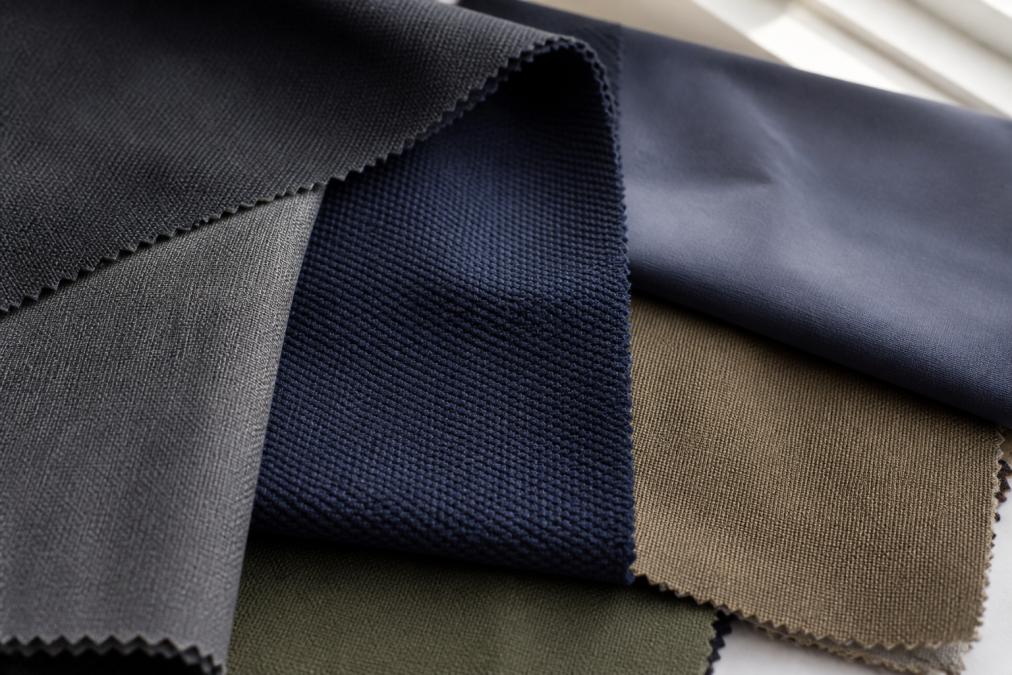
The fabric you choose determines how your uniform performs. Not all fabrics resist snags equally, some shed color, and others shrink unpredictably. Understanding workwear fabric options helps you match the garment to your industry's specific demands.
Snag-Proof Polyester Blends
Snag-proof polyester dominates tactical and event staff uniforms for good reason. A 4.4-ounce snag-proof polyester, like the Navy CornerStone Select Lightweight Snag-Proof Tactical Polo available at 2mepromo.com for $29.99, resists pulling and tearing that would destroy standard cotton. The tight weave prevents snagging on equipment, sharp edges, or rough surfaces, critical for security personnel, EMS staff, and event workers.

Polyester blends offer moisture-wicking properties that keep wearers dry during active shifts and often include odor-fighting technology, extending time between washings and reducing laundry costs. The trade-off is that polyester doesn't breathe as well as natural fibers in extreme heat, so this fabric works best for moderate climates or indoor settings.
Snag-proof polyester holds color better than cotton and resists fading from repeated washing and sun exposure, maintaining shape through industrial laundry cycles without significant shrinkage.
Poly-Cotton Pique with Stain Release
For organizations needing a traditional look with advanced performance, a 65/35 poly-cotton pique blend delivers both aesthetics and function. The L100 Women's Polo DCSS at 2mepromo.com ($29.99) combines cotton's comfort and appearance with polyester's durability and easy-care properties.
The pique weave creates a textured surface that resists showing stains while stain-release treatment repels liquids and prevents dyes from setting. This matters for teams in healthcare, food service, or customer-facing roles where spills are inevitable. A stain-resistant uniform maintains professional appearance longer, reducing replacement needs.
Poly-cotton pique resists shrinkage better than 100% cotton and features snag-resistant finishes protecting against minor tears. Many include tag-free labels and flat knit collars that remain crisp after laundering.
Heavy-Duty Nylon and Elastane Composites
For extreme conditions, rain, wind, heavy physical activity, nylon and elastane blends provide performance lighter fabrics cannot match. The CECO Carhartt Rain Defender Soft Shell Jacket at 2mepromo.com ($130.00) combines rugged durability with stretch technology for ease of movement.
Nylon's strength exceeds polyester and cotton, making garments resistant to tearing and abrasion. Elastane (spandex) adds stretch allowing freedom of movement without compromising durability. Rugged Flex stretch technology lets workers bend and reach without restriction, important for field teams and outdoor staff.
These jackets feature durable water repellent (DWR) coatings that shed rain without stiffness, wind fighter technology, and 100% polyester linings for comfort and protection. Nylon composites are heavier than standard polos but necessary for harsh environments.
Custom Logo Embroidery vs. Screen Printing for Workwear
Your choice of logo application dramatically affects uniform longevity. Embroidery and screen printing both have advantages; the right choice depends on design complexity, budget, and durability requirements.
Embroidery: Durability and Professional Appearance
Embroidery creates a three-dimensional logo using thread stitched directly into the garment, producing the most durable result for custom apparel. Embroidered logos don't crack, fade, or peel because thread is physically integrated into fabric.
The professional appearance of embroidery conveys quality and permanence. Many government agencies and corporate teams prefer embroidery because it signals investment in the uniform program. The raised texture also makes logos more visible than flat screen-printed designs, improving brand visibility at distance.
Embroidery works best for solid, simple designs. Complex photographic images become difficult to reproduce in thread. Setup costs are higher than screen printing, but per-unit costs remain reasonable on bulk orders. For organizations ordering 50+ units, embroidery can be a cost-effective option while delivering superior durability.
Embroidered logos survive industrial laundry, bleach exposure, and aggressive drying without degradation. If durability is your priority, embroidery is the stronger choice.
Screen Printing: Cost and Coverage Options
Screen printing applies ink directly to fabric, allowing photographic detail and complex color gradients that embroidery cannot achieve. This method works well for designs with many colors or photographic elements.
Screen printing costs less upfront for small quantities, making it attractive for tight budgets. Per-unit costs drop significantly on bulk orders.
The limitation is durability. Screen-printed designs can crack if the garment stretches, fade with repeated washing, or peel if the ink-to-fabric bond weakens. Exposure to bleach, high heat, or aggressive industrial laundering accelerates fading. Organizations washing uniforms frequently in commercial facilities may see logos noticeably degrade within 6-12 months.
For durable custom apparel, screen printing requires higher-quality inks and proper curing to maximize longevity. Budget-grade screen printing fails quickly on workwear. If choosing screen printing, specify plastisol or polyurethane inks designed for durability, not water-based inks that fade easily.
Industry-Specific Uniform Solutions and ANSI Compliance
Different industries have different requirements. High-visibility apparel for roadside workers, healthcare-appropriate fabrics for medical settings, and flame-resistant materials for industrial environments each demand specific solutions.
High-visibility safety apparel must meet ANSI/ISEA 107 standards, which define reflective material placement, brightness, and color requirements (ansi.org). Orange, lime, and yellow high-visibility uniforms help workers remain visible in low-light conditions. These standards aren't optional for roadside crews, construction teams, or utility workers, compliance protects both worker and organization from liability.
Healthcare environments require fabrics that withstand frequent bleach exposure and high-temperature washing without degradation. Anti-microbial finishes on some poly-cotton blends reduce bacterial growth between washings, supporting infection control protocols. Many healthcare organizations specify moisture-wicking fabrics that keep staff comfortable during long shifts.
Event staff and security teams benefit from tactical features like mic clips, pen pockets, and reinforced seams that accommodate equipment without tearing. CornerStone tactical polos available through 2mepromo.com include strategically placed mic clips and dual pen pockets designed for this use case.
Government procurement often requires compliance with GSA Schedule pricing or specific fabric certifications. Many 2mepromo.com offerings, like the L100 Women's Polo DCSS at $29.99, carry Agency Contract Support designations that simplify government purchasing.

Employee Uniform Maintenance Tips for Maximum Longevity
A durable uniform only stays durable with proper care. Incorrect washing, drying, or storage accelerates deterioration and shortens useful life.
Washing and Drying Best Practices
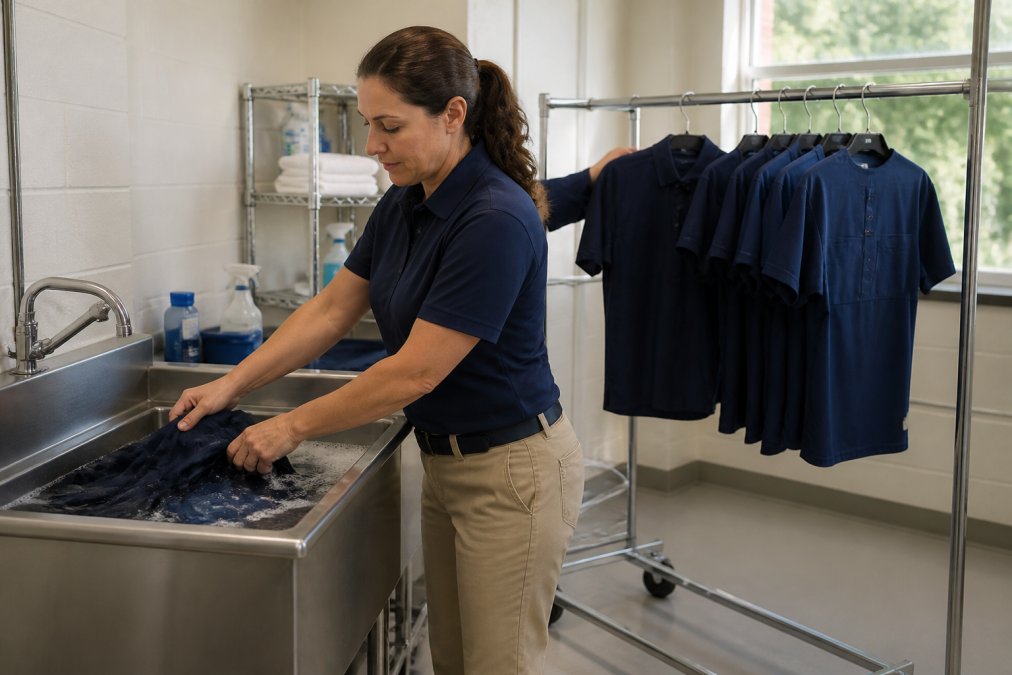
Industrial laundry facilities handle bulk uniform washing differently than home machines. High-temperature water, aggressive agitation, and strong detergents are standard, so uniforms must withstand these conditions.
Wash uniforms in warm water (not hot) when possible, as high heat accelerates color fading and damages embroidered logos (peer-reviewed research). Sort by color to prevent dye bleeding. Use mild detergent formulated for performance fabrics; standard household detergent leaves residue that reduces moisture-wicking and traps odors.
Avoid bleach on polyester blends and embroidered garments unless the manufacturer approves it. Chlorine bleach degrades polyester fibers and weakens embroidery thread (peer-reviewed research). Oxygen-based cleaners are safer alternatives for stain removal.
Dry uniforms on low to medium heat. High-heat drying causes shrinkage, damages elastane in stretch fabrics, and can melt synthetic fibers. Air drying is ideal for embroidered garments. If using commercial dryers, remove uniforms while slightly damp and lay flat or hang to finish drying.
Preventing Color Fading and Shrinkage
Color fading accelerates with repeated washing in hot water and sun exposure during drying. Drying uniforms indoors or in shade preserves color better than outdoor line drying.
Shrinkage becomes visible after 5-10 wash cycles if fabric isn't properly preshrunk. Polyester blends shrink less than 100% cotton but still shrink slightly. Specify preshrunk fabrics and validate supplier shrinkage claims before ordering bulk quantities.
Skip fabric softener for workwear uniforms. Softener coats performance fibers and reduces moisture-wicking effectiveness.
Storage and Repair Guidelines
Store clean uniforms in cool, dry environments. Moisture promotes mildew and odor, requiring aggressive washing that damages fabric. Humidity above 60% creates conditions for mold, particularly in closed storage areas.
Minor repairs, loose seams, small tears, missing buttons, extend uniform life significantly if addressed promptly. A loose seam becomes a major tear after one or two more wearings. Budget for basic alterations and repairs as part of uniform program maintenance.
When embroidered logos show fraying, a tailor can restitch the perimeter to secure loose threads before they unravel. This preventive repair can extend useful life by months.
Designing Your Uniform Program: Customization Tools and Bulk Ordering
Building a durable custom apparel program requires planning beyond fabric and printing selection. You need sizing, customization options, and ordering workflows that scale with your organization.
Start by establishing clear sizing specifications. Have employees try on sample garments in styles you're considering. Document sizing preferences by role, as security staff might need different fits than administrative employees. This prevents costly reorders when uniforms arrive in wrong sizes.
Customization tools should allow flexibility for multiple locations or departments. If your organization has regional offices, you might want location names embroidered on sleeves. If you have different roles, color-coding by department helps with quick identification. 2mepromo.com's design capabilities support these scenarios, allowing you to add location names, employee names, or department identifiers to base garments.
Bulk ordering reduces per-unit costs significantly. Most suppliers offer tiered pricing where 50-unit orders cost less per garment than 10-unit orders. Calculate annual uniform needs and order in bulk quantities that take advantage of volume discounts. Ordering annually rather than quarterly also reduces design setup fees.
Establish a replacement schedule. Most durable uniforms last 18-24 months with proper care before visible wear justifies replacement. Planning for annual replacement cycles ensures your team isn't caught in deteriorating uniforms while waiting for new stock.
Building Employee Branding and Corporate Identity
Your uniforms represent your organization to the public. Consistent branding across your team reinforces professional identity and builds recognition. When customers or constituents see your uniformed staff, they should immediately recognize your organization.
Color selection matters significantly. Choose colors that align with your brand identity and work across different lighting conditions. Bright colors photograph well in marketing materials. Darker colors hide stains and wear better in high-traffic environments. Neutral colors like navy, gray, and black work for almost any industry.
Logo placement should be consistent across all uniforms. Left chest placement is standard for professional appearance. Some organizations add back neck embroidery or sleeve logos for additional branding. Consistency signals attention to detail and professionalism.
Employee morale improves when uniforms fit well and look professional. Ill-fitting uniforms that bunch, gap, or restrict movement create frustration. Taking time to get sizing right during initial rollout prevents morale issues and reduces likelihood of employees avoiding uniform wear.
When employees feel professional in their uniforms, they project confidence and competence. This translates to better customer interactions, stronger team cohesion, and improved organizational reputation. The investment in durable custom apparel for staff uniforms pays dividends beyond durability, it shapes how your team presents itself and how the public perceives your organization.
Conclusion
Durable custom apparel for staff uniforms requires thoughtful choices about fabric, printing method, and maintenance. The upfront investment in quality materials and proper application techniques prevents the false economy of cheap uniforms that fade, shrink, and fail within months.
2mepromo.com offers snag-proof tactical polos starting at $29.95, poly-cotton pique options with stain release at $29.99, and heavy-duty soft shell jackets for extreme conditions, all designed to withstand professional workwear demands. Our team can guide you through customization options, bulk ordering, and compliance requirements specific to your industry. Start building a uniform program that lasts by adding durable custom apparel to your order and connecting with our team about your specific needs.

Frequently Asked Questions
Q: What makes custom apparel durable enough for daily staff uniforms?
A: Durable custom apparel for staff uniforms combines high-quality fabrics with reinforced construction. Look for snag-proof polyester blends, poly-cotton pique with stain-release technology, and heavy-duty nylon composites. Brands like CornerStone offer 6.6-ounce snag-proof polyester with reinforced dual pen pockets and mic clips rated for rental and industrial laundry cycles. The fabric weight, fiber composition, and stitching durability determine how well uniforms withstand repeated washing, stretching, and daily wear.
Q: Is custom logo embroidery or screen printing better for workwear durability?
A: Custom logo embroidery is superior for workwear durability. Embroidered logos are stitched directly into the fabric, surviving hundreds of industrial laundry cycles without fading or peeling. Screen printing, while cost-effective for large coverage areas, can crack or fade after 50-100 washes. For uniforms that need to last 2-3 years with frequent washing, embroidery provides professional appearance and wash-resistant quality. Consider embroidery for logos and screen printing for large graphics or secondary designs.
Q: How often should staff uniforms be replaced if properly maintained?
A: With proper care, high-quality custom apparel can last 2-3 years before replacement. Factors include fabric weight, wash frequency, and maintenance practices. A 6.6-ounce snag-proof polyester polo survives 100+ industrial washes. Poly-cotton blends with stain-release technology remain professional-looking through frequent laundering. Replace uniforms when embroidery begins to fray, fabric loses elasticity, or stains become permanent. Regular maintenance, proper washing, drying, and storage, extends lifespan significantly.
Q: What are employee uniform maintenance tips to keep custom apparel looking professional?
A: Wash uniforms in cool to warm water (not hot) to preserve colorfastness and prevent shrinkage. Use mild detergent and avoid bleach on colored fabrics. Dry on low heat or hang-dry embroidered items to prevent stitching damage. Turn garments inside-out before washing to protect logos. Store in a cool, dry place away from direct sunlight to prevent fading. For performance fabrics with moisture-wicking technology, avoid fabric softener as it reduces breathability. Inspect regularly for loose threads or damage and repair promptly.
Q: How do I choose between different durable workwear fabrics for my team?
A: Match fabric choice to your industry and work environment. Snag-proof polyester (4.4-6.6 ounces) suits event staff, security, and outdoor roles where durability and low-pill performance matter. Poly-cotton pique with stain release works for customer-facing roles where appearance is critical and spills occur. Nylon-elastane soft shells fit outdoor or weather-exposed positions. Consider moisture-wicking for active roles, reinforced pockets for tool-heavy jobs, and tag-free labels for comfort. Request fabric samples and wash-test them before ordering bulk quantities.
This article was written using GrandRanker
- Choosing a selection results in a full page refresh.
