Your cart is empty
Looks like you haven't added anything to your cart yet







How to Choose Durable Promotional Apparel That Lasts
Table of Contents
- Why Fabric Weight and Composition Decide Apparel Lifespan
- Best Fabrics for Promotional Apparel: A Practical Breakdown
- How Printing and Embroidery Impact Durability
- How to Care for Custom Branded Clothing to Extend Its Life
- Step-by-Step: How to Choose Durable Promotional Apparel for Your Team
- Common Mistakes That Shorten Garment Lifespan
- Conclusion: Balance Cost-Per-Impression With Quality
- Frequently Asked Questions
Last Updated: September 7, 2026
Buying promotional apparel that falls apart after a few washes is a waste of budget, and it quietly damages the brand it is supposed to promote. Choosing durable promotional apparel is about more than picking a heavy shirt; it is about understanding fabric construction, decoration methods, and how the garment will actually be used and laundered. Choosing durable promotional apparel is about more than picking a heavy shirt; it is about understanding fabric construction, decoration methods, and how the garment will actually be used and laundered. The real cost of a cheap shirt is measured in faded logos, frayed collars, and a negative impression of your organization every time an employee wears it.
The most important decision you will make is not the color or the logo placement; it is the fabric and how that fabric is decorated. A well-chosen garment can survive years of industrial laundering and still present your brand cleanly, while a poorly chosen one looks worn after a month. Below, we break down the technical specifications that actually determine garment lifespan, the decoration methods that hold up best, and the care routines that protect your investment. We will also give you a step-by-step framework for selecting the right apparel for your team, whether they are working a county fair or representing your agency at a conference.
Why Fabric Weight and Composition Decide Apparel Lifespan
Fabric weight and composition are the two primary predictors of how long a promotional garment will last. Fabric weight, measured in grams per square meter (GSM) or ounces per square yard, directly correlates with durability; heavier fabrics generally withstand abrasion and laundering better than lighter ones (peer-reviewed research). Composition matters just as much because it determines the fiber's tensile strength, pilling resistance, and shrinkage behavior.
Synthetic fibers like polyester offer high tensile strength and excellent shrinkage resistance, which is why they dominate performance and uniform apparel (peer-reviewed research). Natural fibers like cotton are comfortable and breathable, but they are more prone to shrinking and losing shape unless they are pre-shrunk or blended with synthetics. A common mistake is assuming that all cotton is created equal; ring-spun cotton is softer and stronger than open-end cotton because the fibers are twisted into a finer, stronger yarn. For promotional use, a poly-cotton blend often delivers the best balance of comfort, colorfastness, and durability.
Best Fabrics for Promotional Apparel: A Practical Breakdown
The best fabric for your promotional apparel depends entirely on the environment where it will be worn and how often it will be washed. For teams that work outdoors, in active roles, or in warm climates, performance fabrics are the clear winner. For office staff, client meetings, and everyday professional wear, a high-quality cotton or cotton-blend pique offers a classic look with acceptable durability.
The table below summarizes the key trade-offs between the main fabric categories you will encounter.
| Fabric Type | Best Use Case | Key Durability Traits | Watch Out For |
|---|---|---|---|
| Performance Polyester | Event staff, security, outdoor work | Snag-proof, moisture-wicking, quick-drying | Can retain odors without anti-odor treatment |
| Poly/Cotton Pique | Uniforms, daily office wear, field staff | Balanced durability, stain release, easy care | Requires careful printing to avoid cracking |
| Ring-Spun Cotton | Casual wear, trade show giveaways | Soft, strong, comfortable | Shrinks more than synthetics, fades faster |
| Heavy-Weight Cotton | Workwear, aprons, durable casual items | Very abrasion resistant, holds shape | Heavier and warmer, slower drying |
Polyester and Synthetic Blends for Active Use
For apparel that must survive frequent washing and physical activity, polyester and synthetic blends are the most reliable choice. These fabrics are engineered to resist snags, wick moisture away from the skin, and fight odor-causing bacteria, making them ideal for law enforcement, security, and event staff who need to look sharp for long shifts.
A key specification to look for is "snag-proof" polyester, which uses a tighter knit construction to prevent pulls and runs. When evaluating options, consider the fabric's GSM; a 6.6-ounce snag-proof polyester will feel more substantial and last longer than a lighter 4.4-ounce version, though the lighter weight offers better breathability for hot climates. For example, the CornerStone snag-proof tactical polo line offers both weights, allowing you to match the garment to the season and the intensity of the work.

Cotton and Natural Fiber Options for Everyday Wear
Cotton remains the standard for professional and casual settings where comfort and a classic appearance are the priorities. For promotional apparel, a pique knit in a poly-cotton blend is often superior to 100% cotton because it resists shrinking, wrinkles less, and holds its color through more wash cycles.
When you do choose high-cotton garments, look for options labeled "Easy Care" or "stain release." These finishes treat the fibers to prevent stains from setting and to allow for lower-temperature washing, which extends the life of both the fabric and the decoration. A 5-ounce, 65/35 poly/cotton pique, for instance, provides the professional drape of cotton with the durability and color retention of polyester, making it a versatile choice for uniforms that need to look consistent across a team.
How Printing and Embroidery Impact Durability
The decoration method you choose has as much impact on the garment's lifespan as the fabric itself. A logo that cracks, fades, or peels after a few washes ruins the shirt and reflects poorly on your brand. The two most durable and professional options for corporate apparel are custom logo embroidery and high-quality screen printing.
The choice between them depends on the design and the garment. Embroidery is the most durable decoration method available; it is essentially permanent and can withstand industrial laundering without degradation. Screen printing is excellent for large, bold designs and softer hand-feel, but its longevity depends heavily on the ink quality and the curing process.
Custom Logo Embroidery for Long-Term Branding
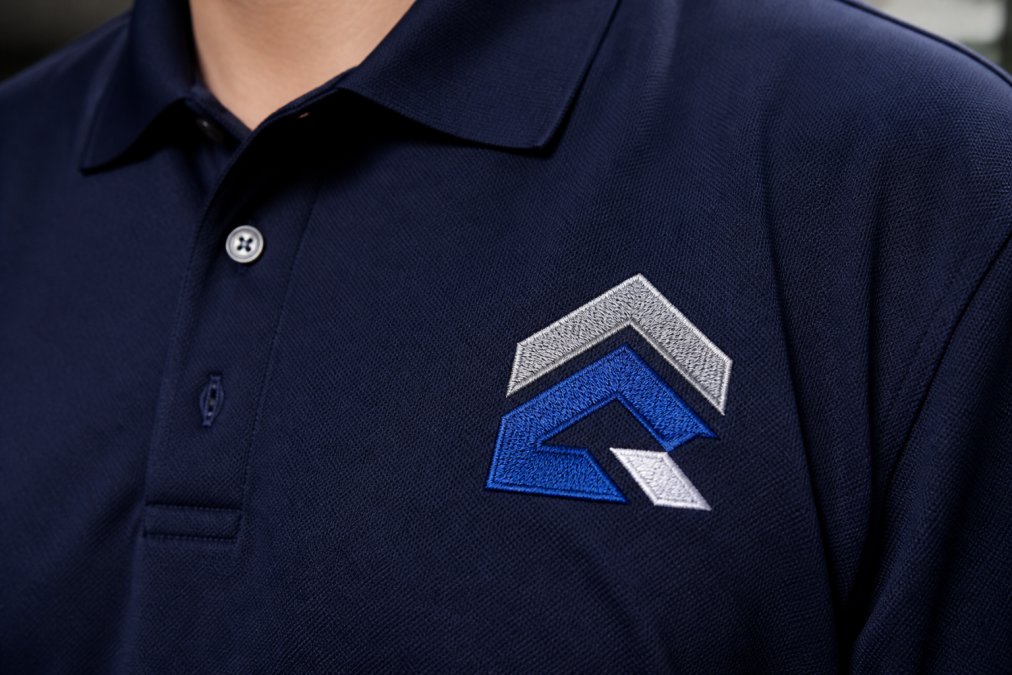
Custom logo embroidery is the gold standard for garments meant to last for years. Because the logo is stitched into the fabric with thread, it cannot crack, peel, or fade like printed ink. This makes it the preferred choice for uniforms, corporate gifts, and any apparel that will be laundered frequently.
Embroidery is particularly effective for logos with a limited number of colors and simple shapes. For a polished, professional look that conveys permanence and quality, embroidery is unmatched. It adds a tactile, premium feel that printing cannot replicate, which enhances the perceived value of your brand. When you need a logo to survive the lifespan of the garment itself, embroidery is the safest investment.
Screen Printing vs. DTG: Which Holds Up Better?
For printed designs, screen printing generally holds up better than Direct-to-Garment (DTG) printing for promotional items that will see heavy use. Screen printing pushes thick layers of ink through a mesh stencil onto the fabric, creating a durable bond that flexes with the material. DTG printing, which works like an inkjet printer, is excellent for highly detailed, full-color images but the ink sits more on the surface and can crack or fade faster with repeated washing.
The durability of screen printing depends on the quality of the ink and the curing process. A properly cured screen print should not crack or fade noticeably for dozens of washes. For simple, spot-color logos, screen printing is often the more cost-effective and longer-lasting choice. For complex designs with photographic detail, DTG is the better option, but be prepared for a shorter visual lifespan on garments that are washed frequently.
How to Care for Custom Branded Clothing to Extend Its Life
Proper care is the final factor in determining how long your promotional apparel looks its best. Even the most durable fabric and decoration will fail prematurely if the garments are washed in hot water, dried on high heat, or treated with harsh chemicals. Establishing a clear care routine is essential for maintaining a consistent brand image.
The most important rule is to wash apparel inside out in cold water and tumble dry on low. This protects both the fabric fibers and the decoration from excessive abrasion and heat. For embroidered garments, this practice prevents the threads from catching and fraying. For printed garments, it prevents the ink from cracking due to heat stress. Industrial laundering, common in uniform programs, is harsher than home washing, so choosing fabrics and decorations rated for that environment is critical.
Step-by-Step: How to Choose Durable Promotional Apparel for Your Team
Selecting the right promotional apparel is a process of matching specifications to your team's real-world conditions. By following a structured evaluation, you can avoid the common pitfalls that lead to premature wear and disappointed staff. This framework helps you move beyond how a shirt looks in a catalog to how it will perform in the field.
Step 1: Match the Fabric to the Job
The first step is to define exactly how the apparel will be used. Ask yourself what the wearer's day involves, how often the garment will be washed, and what image it needs to project. A security team working outdoors needs moisture-wicking, snag-proof polyester to stay comfortable and professional through long shifts. An office administrative team may prefer a more classic poly-cotton pique that offers comfort and a crisp look for client-facing roles.

Step 2: Verify Construction Details
Once you have selected a fabric type, verify the construction details that separate a quality garment from a cheap one. Look for features like a tag-free label for comfort, a flat knit collar that resists curling, and reinforced seams in high-stress areas. Check the fabric weight and composition, and consider whether the garment is "rental friendly," which indicates it is built to withstand the harsh conditions of industrial laundering.
Step 3: Select a Decoration Method That Survives Laundering
Finally, choose your decoration method based on the garment's expected lifespan and care routine. If the apparel will be washed frequently and needs to look pristine for years, invest in custom logo embroidery. If the design is large or colorful and the garments will see lighter use, a high-quality screen print may be more appropriate. Always confirm that the decoration method you choose is compatible with the fabric to prevent issues like cracking or shrinkage distortion.
Common Mistakes That Shorten Garment Lifespan
Several recurring mistakes cause promotional apparel to fail long before its time. The most common is choosing a garment based solely on its low price, ignoring the fabric weight and construction that determine its true value. Another frequent error is selecting a decoration method that is incompatible with the garment's intended use, such as using a delicate print on a shirt destined for heavy industrial washing.
A third mistake is neglecting to test the garment's colorfastness and shrinkage resistance before committing to a large order. What looks good in a product photo may not survive the first wash cycle. Finally, failing to communicate proper care instructions to the wearers is a silent killer of garment lifespan. A quick informational session or a simple care tag instruction can prevent the most common causes of fading and warping, protecting your brand's image and your budget.
Conclusion: Balance Cost-Per-Impression With Quality
Choosing durable promotional apparel is an exercise in calculating cost-per-impression, not just unit cost. A cheaper shirt that looks worn after ten washes and is discarded is a poor investment compared to a higher-quality garment that represents your brand well for years. The true measure of value is how many positive impressions your logo generates over the garment's usable life.
When you prioritize fabric weight, construction, and decoration longevity, you ensure that every dollar you spend works harder for your brand. This approach also reflects a commitment to quality that your employees and clients will notice. For a reliable selection of snag-resistant polos and performance apparel built for longevity, explore the options available from 2mepromo.com, which offers tailored solutions for government agencies and small businesses seeking to enhance their professional presence with high-quality, custom-made products. Get started with 2mepromo.com and choose apparel that keeps your brand looking sharp for the long haul.
Frequently Asked Questions
What is the best fabric for durable promotional apparel?
For maximum durability, look for fabrics with a higher GSM (grams per square meter). A 6.6-ounce snag-proof polyester polo, for example, resists pulls and tears better than a 4-ounce lightweight shirt. Polyester blends also hold color and shape through repeated washing. If you need a balance of comfort and toughness, a 65/35 poly-cotton pique offers the professional look of cotton with the strength and stain resistance of synthetic fibers.
Is embroidery or screen printing more durable for custom logos?
Custom logo embroidery is generally the most durable decoration method. Stitching penetrates the fabric and won't crack, peel, or fade like printed inks can. Screen printing is also long-lasting when done correctly, especially with modern inks, but it can crack over time on high-flex areas. For garments expected to survive industrial laundering or years of regular wear, embroidery is the safer choice for your brand's appearance.
How should I care for custom branded clothing to make it last?
Wash custom apparel inside out in cold water to protect the decoration and reduce friction on the fabric. Skip fabric softeners, which break down synthetic fibers and can dull moisture-wicking performance. Tumble dry on low heat or hang items to dry; high heat is the fastest way to shrink cotton blends and damage printed graphics. Following these steps keeps colors bright and logos intact for dozens of extra wears.
What fabric weight should I look for in promotional polos?
For promotional polos, look for a fabric weight between 5 and 7 ounces. A 5-ounce pique, like the 65/35 poly-cotton blend, offers a classic uniform look with solid durability. A 6.6-ounce snag-proof polyester is heavier and built for demanding environments like event security or field work. Anything lighter than 4.4 ounces is better suited for indoor giveaways than long-term staff uniforms.
- Choosing a selection results in a full page refresh.
